7. EVALUATION METHODOLOGY
We proposed three methods of evaluation procedures for the project.
The design was both quantitative and qualitative. The process was implemented internally but integral with the life of the project so it was not only continuous but also it also informed the design of goals, objectives and success indicators.
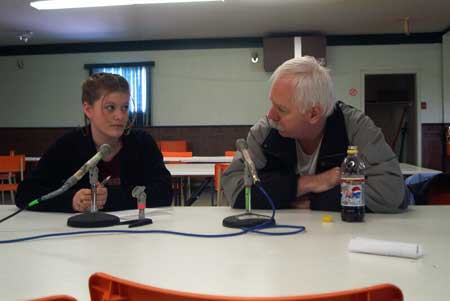
Qualitative data was acquired in a participatory evaluation using video for data collection. Members of the steering committee, facilitators, youth media volunteers and members of the community at large were interviewed throughout the project.
The purpose of the participatory evaluation was to improve the implementation of this project and to provide information for others who might want to replicate this process. One outcome was the early recognition of the need to link community communications with community economic development. This became the theme of the second SOF networking event. Another change, which came about through our online consultative/evaluative process, was to delay our final event by two months because it was collectively decided youth must be the major focus. There were many changes in the day-to-day operation of the projects, such as changing the criteria of community forums to include cultural events.
Quantitative data was gathered in the monthly reports of the facilitators and the coordinator. These reports were posted on the internet discussion board and emailed to CEN and the coordinator. Each facilitator was also requested to post and update a community communications needs, skills and resources assessment.
We had also planned to conduct surveys implemented by university students. But it became apparent that we simply didn't have the funds. A survey design for community media projects has been worked on, however, and we have a format for other projects in the future.
A survey conducted by the SOF facilitator following a trial community radio event indicated more than 90 per cent of the people surveyed were supportive of establishing their own radio station.
The evaluation process of SOF is a project strength and weakness in itself. It's a strength because we gathered so much information. There are hundreds of reports on the websites (almost a thousand postings on the web boards), as well as hundreds of video interviews conducted by the steering committee, facilitators, community members, youth volunteers and journalism students.
It would have been a fulltime job just to analyse this data. Instead the design dictated it was part of the quarter time activity of the coordinator as well as maintaining websites, servers, conducting training and troubleshooting the project. Similarly, the steering committee was active and essential in planning and monitoring the project, but it was too ambitious to expect this group of busy professionals to also act as a participatory evaluation committee.
Nevertheless, the evaluation data was referred to constantly at committee meetings. Also one member of the steering committee designed additional evaluation questions, and conducted interviews throughout the region.
Success and failure are perhaps inappropriate terms to use in relation to Sharing Our Future; the project is part of a long evolution of participatory communications in western Newfoundland. Continuously during that evolution, some communities have been very active only to slow down after time but then pick up again with another catalyzing activity.
Some disappointments, however, included the inability of the Port aux Basques project to engage the community (after discussion we moved to Burnt Islands) and the falling through of the first replication agreement in Branch (they couldn't find a half time facilitator). We had also expected more interest in networking from Atlantic Canada.